Beyond the Aisle: Why Food Brands Are Showing Up in the Shower
Consumers are increasingly organizing around niche identities and interests amidst a world that’s becoming more diverse, polarized, and fragmented. As a result, brands are finding that growth comes not from staying within category lines, but from participating in the moments, rituals, and experiences that matter to consumers.
This shift is reflected in our Ipsos Macro Forces, which point to a world where consumers are increasingly seeking brands and experiences that align with their identities, values, and lifestyles. This means brands must look beyond traditional boundaries and toward the shared human experiences that connect consumers across divides.
A growing wave of collaborations between food and beverage brands and personal care companies reflects this evolution. As consumers seek small sources of optimism, enjoyment, and self-expression in an increasingly uncertain world, brands are extending beyond the products they sell and into new occasions for engagement.
The most successful collaborations aren't expanding into adjacent categories. They're expanding into adjacent moments.
Rather than asking, "Why would I want a soda-scented body wash?" a more interesting question is: "What emotional need or ritual does this serve?"
These collaborations reflect a broader theme emerging from Ipsos Global Trends 2026: consumers are increasingly seeking silver linings through everyday sources of comfort, enjoyment, and self-expression. Several Global Trends help explain why brands are successfully extending beyond their traditional category boundaries.
| Nouveau Nihilism: As long-term goals feel increasingly uncertain, consumers are placing greater value on small, rewarding moments that deliver enjoyment. Brands that create everyday indulgence can provide a sense of optimism and emotional reward in an unpredictable world. With 62% of people globally agreeing that "the important thing is to enjoy life today and let tomorrow take care of itself," consumers are increasingly prioritizing small moments of enjoyment and fulfillment (Ipsos Global Trends 2026). |
| Escape to Individualism: As optimism increasingly shifts from institutions toward the self, consumers are looking for products and experiences that reinforce personal identity, agency, and self-expression. With only 25% of people globally optimistic about the world over the next 12 months compared with 55% who are optimistic about themselves and their families, brands increasingly serve as tools for communicating who we are and what we value (Ipsos Global Trends 2026). |
| The Power of Trust: In an environment of growing institutional skepticism, consumers increasingly place their trust in familiar brands. With 77% of consumers saying they are more likely to trust a new product if it's made by a brand they already know, consumers may be more willing to follow trusted brands into unexpected categories (Ipsos Global Trends 2026). |
Four recent collaborations show how brands are putting these trends into action.
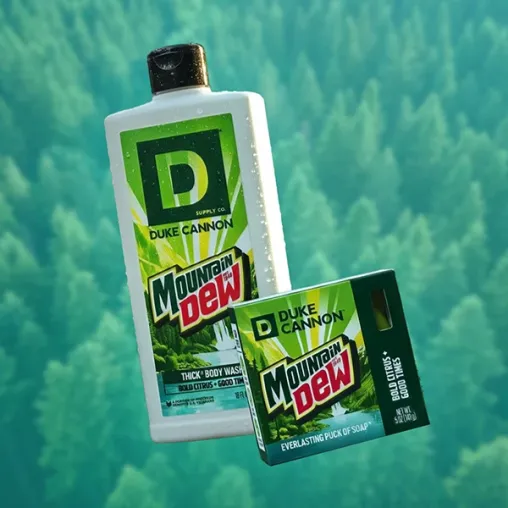
1. Mountain Dew x Duke Cannon: From Extreme Sports to Everyday Showers
Mountain Dew's collaboration with Duke Cannon pairs body wash and soap with one of the most recognizable beverage brands. On paper, the partnership feels unexpected. One brand is tied to gaming, extreme sports, and convenience stores. The other lives in the men's grooming aisle. Yet both occupy similar cultural territory, appealing to consumers who aren't afraid of a little risk-taking. Rather than creating a new product, Mountain Dew translated its brand identity into a new ritual, showing how brands can extend into moments where they previously had no role.
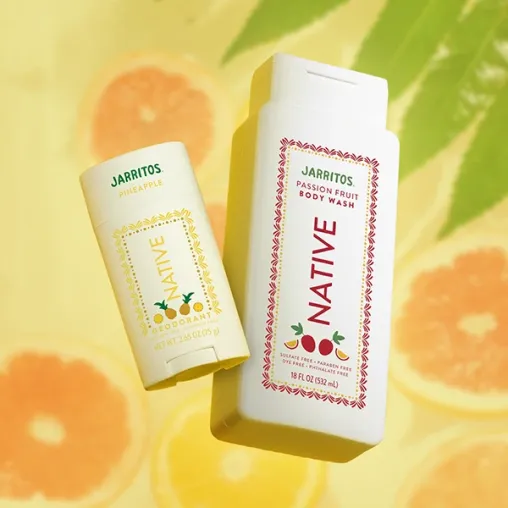
2. Native x Jarritos: Turning Flavor Equity into Fragrance Equity
The collection transformed the Mexican soda brand's iconic fruit flavors into body wash, deodorant, shampoo, and conditioner. The interesting part isn't that consumers like fruity body wash. It's that they don't have to imagine what guava, mandarin, or lime should smell like. Jarritos has spent decades building those sensory associations. Native effectively borrowed not just flavor equity, but the cultural authenticity, nostalgia, and vibrant Mexican heritage that have made Jarritos instantly recognizable.
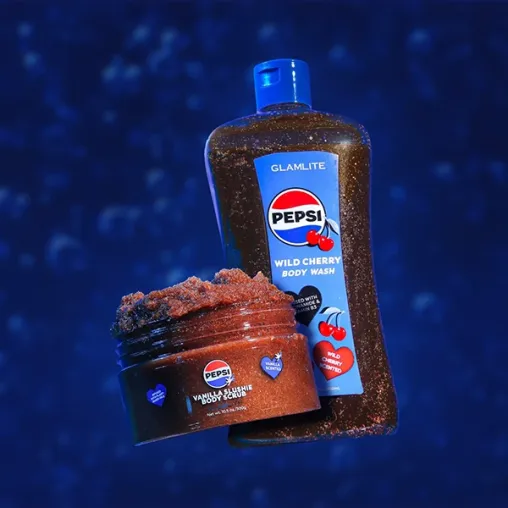
3. Pepsi x Glamlite: Soda Becomes Self-Expression
Pepsi's collaboration with Glamlite demonstrates how brands increasingly function as identity symbols rather than simply products. Consumers aren't buying Pepsi-inspired body care because they need soda-scented soap. They're engaging with a brand they recognize and enjoy in a new way. There's something intriguing about carrying the experience of a crisp glass of Pepsi into a self-care ritual. The appeal lies in self-expression, fandom, and participation, reflecting consumers' desire to shape and express their identity through brands that help reinforce a sense of personal agency.
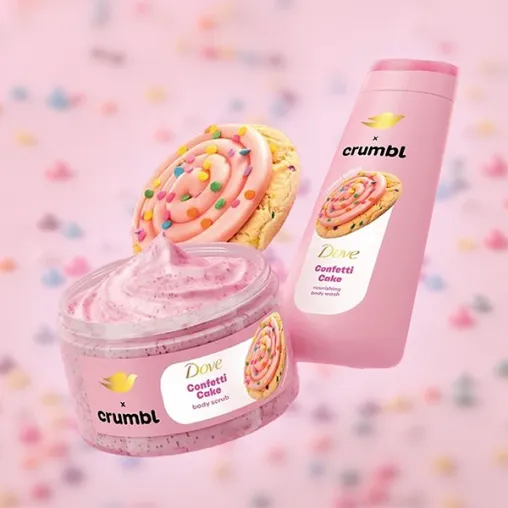
4. Dove x Crumbl: Treat Culture Becomes Self-Care
Dove's partnership with Crumbl may be the clearest example of ritual migration in action. Cookies and body care occupy different aisles, but both serve a similar emotional role: providing accessible moments of comfort, reward, and optimism in everyday life. With scents like Tres Leches and Confetti Cake, Dove translated treat culture into self-care, encouraging consumers to believe their skin deserves seconds. The result was more than a new fragrance line. It imported Crumbl's emotional role into a different ritual while helping Dove strengthen relevance with Gen Z consumers.
What's Really Happening?
Viewed individually, these launches may look like novelty.
Viewed collectively, they suggest something more significant: brands are discovering that their most valuable asset may not be the product they sell, but the sensory and emotional meaning attached to it. In a world where consumers are increasingly fragmented by identity, interests, and beliefs, shared everyday rituals may offer a more powerful platform for growth than traditional category expansion.
This is a new form of innovation built around ritual migration. A soda brand enters the shower. A cookie brand enters self-care. The category changes, but the emotional role remains the same.
For innovation teams, this raises an important question: instead of asking whether a brand can stretch into a new category, should we be asking whether it can stretch into a new consumer moment? Understanding where consumers are willing to follow brands next is precisely the type of challenge explored through approaches like InnoExplorer AI, which helps identify emerging consumer needs, cultural shifts, and adjacent innovation spaces by looking beyond traditional category boundaries. By uncovering where motivations, occasions, and behaviors overlap across categories, brands can identify new opportunities to extend into the moments that matter most to consumers.
Because the most successful collaborations aren't crossing aisles. They're crossing rituals.
In an era where consumers increasingly seek meaning, agency, and moments of optimism in their everyday lives, brands with the greatest growth potential may not be those that own a category, but those that own a feeling.