Consumers


Consumers Publication

I’ve Got a Feeling

Read our latest article highlighting an Ipsos framework for how businesses can measure, understand and leverage consumer emotions.
Shopper Survey

Beyond the pump: 5 key drivers of convenience store satisfaction

Only about half (7 of the 15) of the retail petroleum brands measured in Ipsos’ study are performing at or above average consumer expectations.

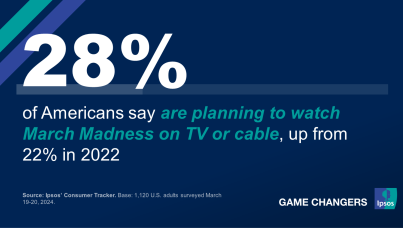
We’re trending more social in our NCAA hoops plans

Interest in watching the March Madness college basketball tournaments is rising, according to new data from the Ipsos Consumer Tracker

Whatever the item, people don’t want to pay surge pricing for it

However, younger Americans are more willing to pay surge pricing than the general population, according to new data from the Ipsos Consumer Tracker
Consumers Survey

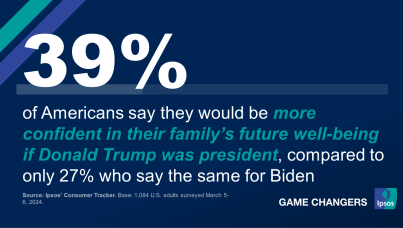
Americans are more confident about a Trump-led future except for one key topic

Americans overall are more confident about the country under Trump on a range of topics – except for access to abortion and reproductive care, according to the Ipsos Consumer Tracker
Consumers Publication

What the Future: Parenting

Watch our on demand webinar to hear exclusive data and analysis on what today’s (and tomorrow’s) parents want, and how business leaders and policymakers can support them.
Consumers Publication

The Vibrant Fringes: Spotting opportunities beyond the mainstream

Listening to individuals from the fringes can allow marketers to address an underserved market while also uncovering new opportunities and innovations to build brand equity.

Americans’ descriptions of AI are getting more negative

There’s been a jump in the number of Americans who use negative words to describe AI, compared to the same time last year, according to the Ipsos Consumer Tracker
Consumers Survey

Dry January, Lent and other forms of temporary abstinence are still unpopular

Americans aren’t changing their behaviors for anti-occasions in massive numbers, according to the Ipsos Consumer Tracker but even a small number can still have an economic impact