
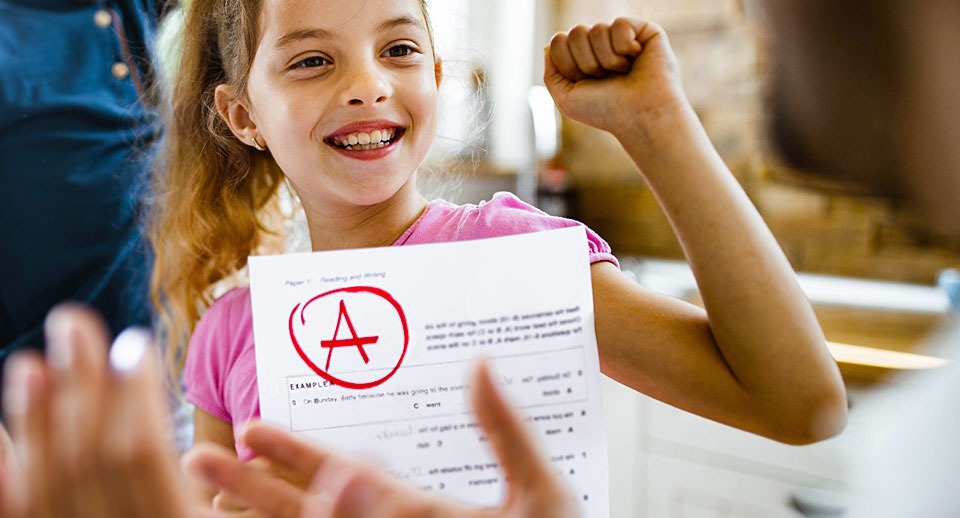
The futures parents want — and expect — for their children
For all their differences, parents in the U.S. share common hopes (and fears) about their kids’ futures, as revealed by a recent Ipsos ethnographic study of parents of school-aged children.
Parents’ wishes and worries don’t just shape how they spend their time and money, but how they view brands and institutions. That means businesses and policymakers alike should be paying close attention.
In Ipsos’ study, most parents said their children’s happiness was the most important thing. But that optimism is tempered by age-old anxieties around racism, and the pressures of a competitive world, from the classroom to the workforce.
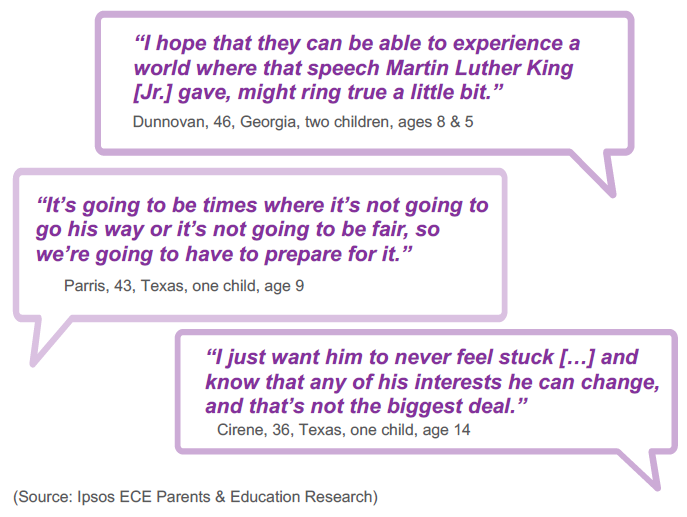
To address these problems and meet these needs, businesses should go beyond the data and listen to what parents have to say, in their own words. It’s often real stories that shape the most powerful and effective policies and marketing.
| ← Read previous How today’s parents are raising tomorrow’s leaders differently | Read next → |