
How people and politics will shape brand purpose in the future
Love issue
Imagine it’s 2033. Brands, which have immense scale, could be playing a huge role in solving local and global crises. Or maybe not. What will factor into the future?
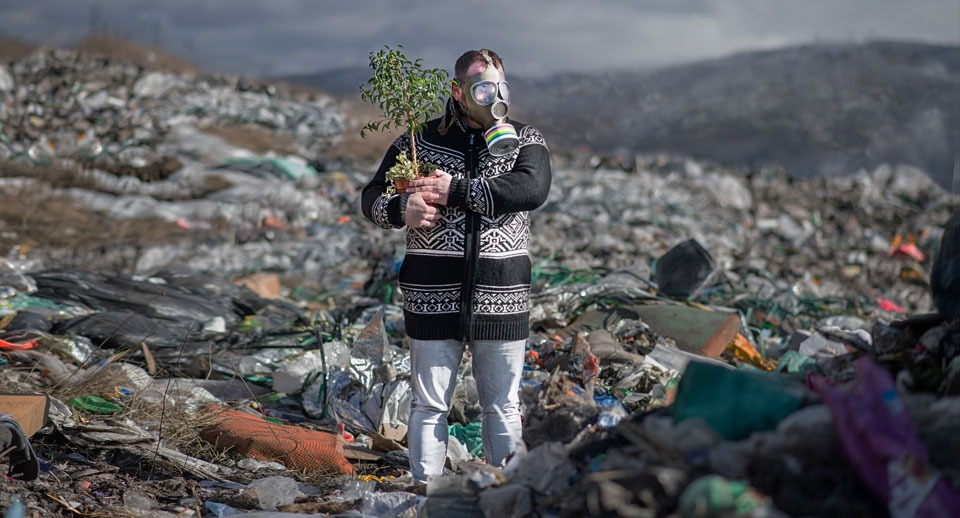
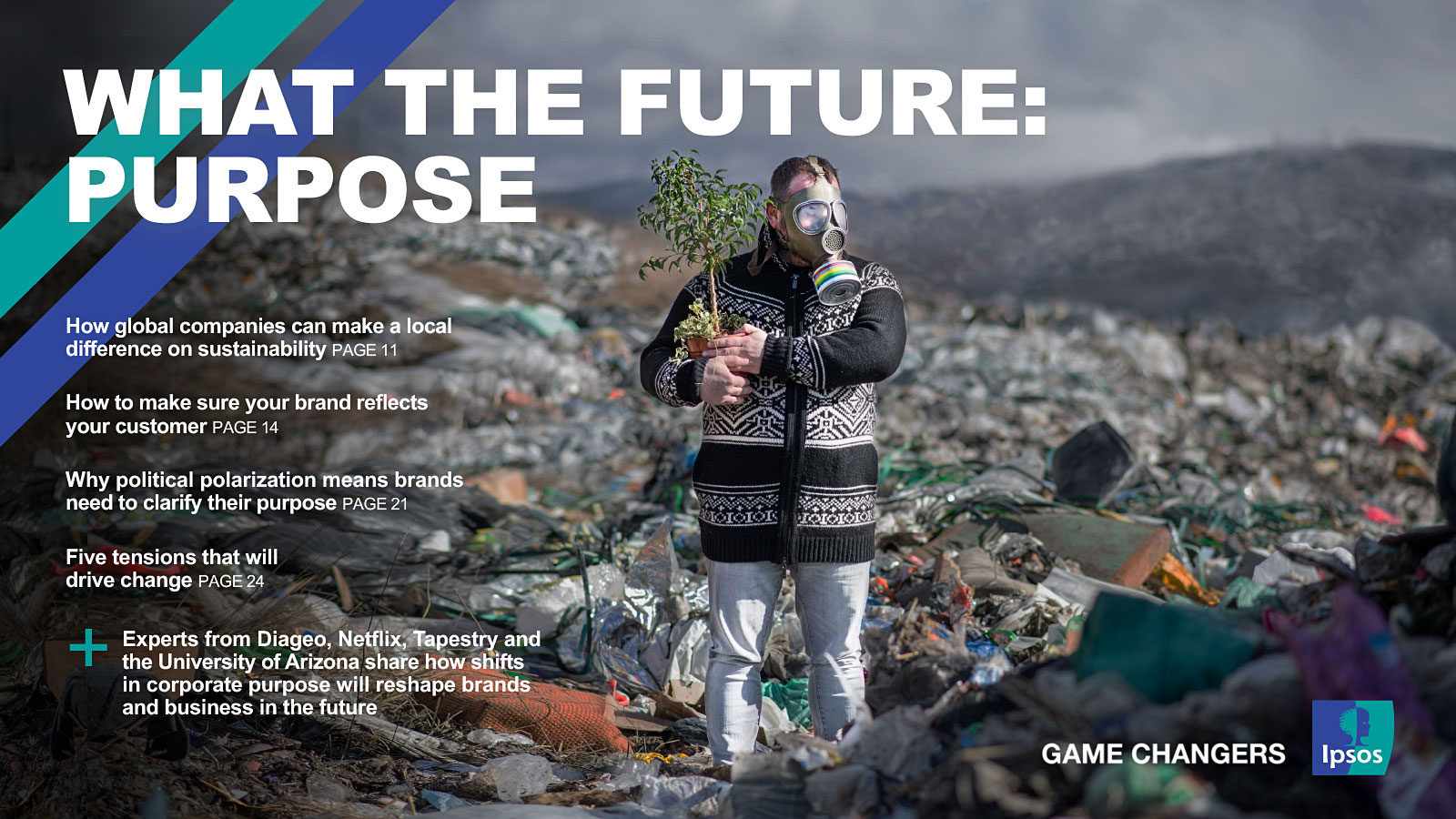
Ever feel like the guy on the cover? Wanting to make a difference but feeling as though the problems of the world are bigger than you can help solve on your own? Of course you do. And increasingly, we expect brands and companies to help.
But whenever anyone talks about brand purpose, don’t you wonder why we keep coming back to the same examples of Patagonia and Ben & Jerry’s? It’s time to expand that conversation. People are looking at brands and companies to help solve many of the world’s problems. And there are real changes and issues — systemic inequality, environmental collapse, remote work, AI, wars and polarization — in short, a polycrisis. The problem is that solving them isn’t easy.
At a pivotal moment in his presidency during the summer of 1979, Jimmy Carter gave a speech referred to by others as the “malaise” speech (he never actually used the word) about the challenges facing America and its “crisis of confidence.”
“We can see this crisis in the growing doubt about the meaning of our own lives and in the loss of a unity of purpose for our nation,” President Carter said. “The erosion of our confidence in the future is threatening to destroy the social and the political fabric of America.”
He had just spent more than a week doing an extraordinary bit of qualitative research by talking to American citizens directly about what they thought about the nation. What he heard will sound familiar if you’ve read the news today: inflation, energy prices and a growing distrust in government, schools, media, churches and other institutions. Arguably things have worsened in the intervening 43 years.
It’s hard to have a unity of purpose in a polycrisis. As our Ipsos Global Trends report shows, we are now, as then, facing multiple crises. Brands are finding it’s hard to address them all. They define their purposes based on their product, services, stakeholders and customers.
In this issue, Diageo and Tapestry talk about their purposes, how they approach them today and how they will tomorrow. We also talk about the pitfalls with author Rishad Tobaccowala and the University of Arizona’s Nooshin Warren.
The challenge is real. We have global and local crises. We have growing polarization. People want brands to help solve crises, often want them to be neutral on social and political issues, but also prioritize brands that side with what they agree with on social and political issues.
And people aren’t always pulling their own weight in finding solutions. We say we will, but we often aren’t willing to bear the additional costs of creating sustainable goods with ethical and inclusive supply chains. As that existing say-do gap collides with inflation, are brand purpose efforts going to be changed or even devalued by consumers?
In the end, brands in fashion, retail, financial services, consumer packaged goods, energy, auto, food, entertainment and more will have to decide for themselves how to balance making a difference, even if customers become more indifferent. Do good in the world? Help solve a crisis? Balance profits with impact (which can certainly coincide, and which people expect brands to do)?
Part of that is because brands no longer have full control of the conversation and their own narrative. Consumers now have such a strong voice that they help shape brand perception. Brands need to act with empathy, consider the context of their messaging, where it’s received and the expectations customers have. A clear definition and demonstration of their purpose can go a long way toward setting that expectation.
But ultimately, people have to buy in, both metaphorically and literally. The choices that people as consumers make with their wallets will dictate how much brands can or cannot help, no matter how much those same consumers say they want brands to be part of the solutions.
|
← Read previous |
Read next → |