

Shifts: Robotization, sustainability and protectionism
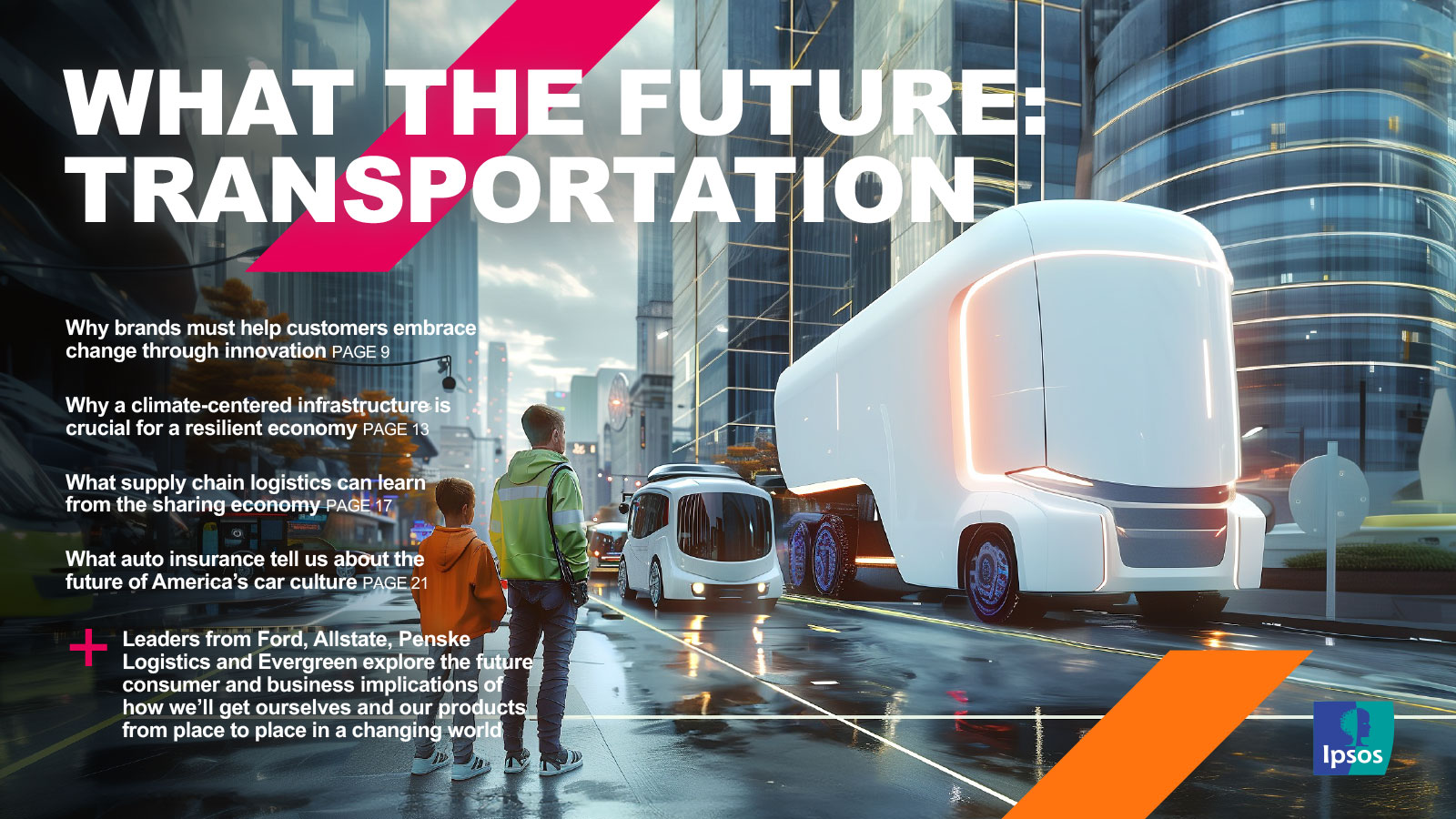
Robotization: Automation, including the spectrum from assisted driving to fully driverless, promises to enhance safety and efficiency on the roads, but is not without its detractors. Proponents highlight the potential for fewer accidents, smoother traffic flow and reduced emissions. While the opposition cites job displacement for drivers, mistrust of AI and a removal of freedom of choice. The widespread adoption of automation would require significant planning and investment, including robust regulations and supportive infrastructure.
Sustainability: There’s an increasing need to evolve our transportation industries to be more sustainable and less reliant on fossil fuels. This has led to the development of electric vehicles, biofuels and alternative fuels (e.g., hydrogen), and more efficient public transportation systems.
However, there is resistance from existing industries and stakeholders, as well as the public, to adopt new technologies that may be viewed as risky, inconvenient or untested. Other headwinds that remain are the cost to transition our industries and the impact that can realistically be made in emissions.
Protectionism: Protectionist policies, such as tariffs and trade barriers, can have a significant impact on transportation. From a network and logistics perspective, it becomes more expensive to import and export goods, potentially leading to a decrease in international trade. This directly impacts shipping volumes and freight rates, as there is less demand for moving goods across borders.
When it comes to the automotive and broader vehicle industry, protectionism can reduce competition and insulate organizations, possibly slowing the pace of innovation and reducing the number of choices available to consumers.
← Read previous | Read next → |