

How climate anxiety is shaping people’s decisions to have kids
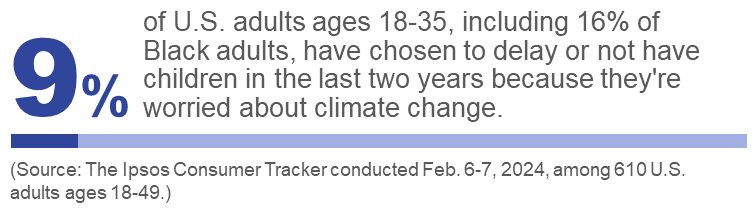
The world is increasingly complicated to navigate as a parent, and more people are choosing to delay or avoid becoming parents at all. Climate change is the latest reason why, says Jade Sasser, an associate professor of Gender and Sexuality Studies at the University of California, Riverside. She hosts a podcast on the issue and has a forthcoming book dropping in April called “Climate Anxiety and the Kid Question: Deciding Whether to Have Children in an Uncertain Future.” Here’s how it’s shaping people’s family planning decisions.
Kate MacArthur: How does climate change shape the decisions people are making about having kids?
Jade Sasser: There are a lot of decisions that young people are making about having kids. Most are not specifically about climate change. However, when it does come to climate change, more young people, especially in Generation Z, are saying, “I don't know if I can bring children into this climate disaster.”
MacArthur: So how does climate anxiety weigh on people’s decision making?
Sasser: The decision to have a child and to raise them doesn’t mean that you're not concerned about issues in the world, including climate change. It means you have chosen to have a child amid navigating those feelings.
MacArthur: What about the biological drive to have children?
Sasser: What I am finding in my research is not that people don't want children. They're now asking these moral and ethical questions, which basically boil down to this: If we know that the climate is continuing to change and will get worse in the future, how can we bring a child into that knowing that that is the case? That's what it comes down to.
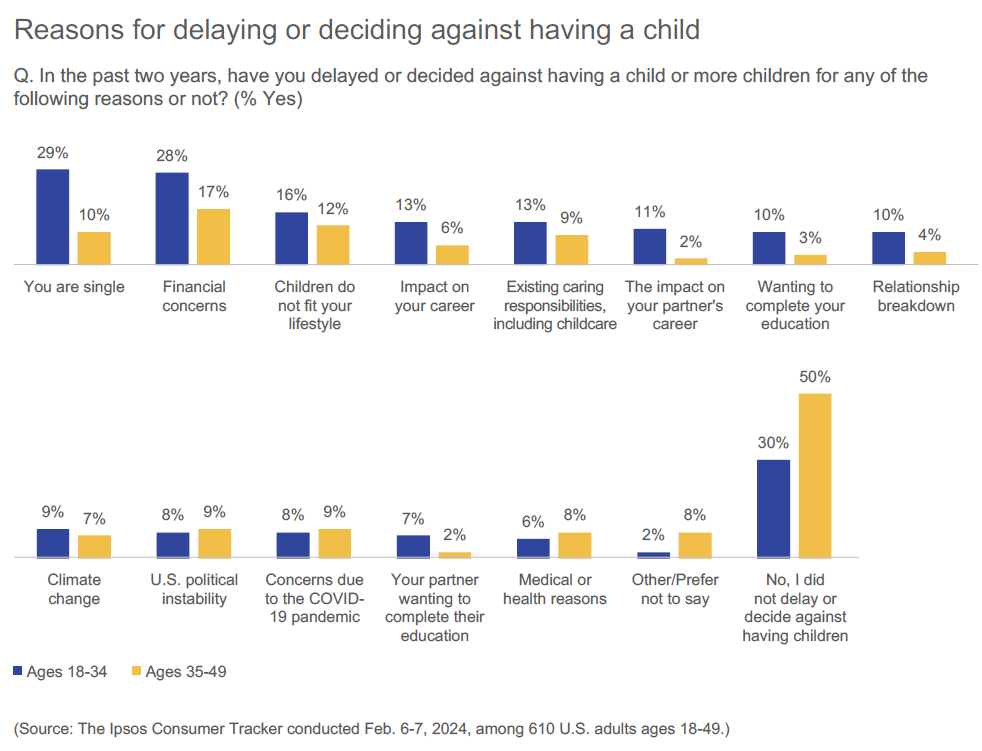
MacArthur: In your research, women of color overindex on wanting fewer children because of climate concerns. Can you explain why?
Sasser: I have a book coming out April 9th. It is called “Climate Anxiety and the Kid Question: Deciding Whether to Have Children in an Uncertain Future,” and that gets at some of those qualitative questions. There have been studies that have shown that communities of color tend to be more vulnerable to harsher climate impacts and tend to be less likely to receive the necessary support to recover and be resilient in the wake of a disaster. I wouldn't be surprised if that is factoring into some of these decisions that women of color are making.
MacArthur: In scenario planning, we consider extreme outcomes, like the world's going to end or we're going to be fine. What does that mean for how we talk about climate change?
Sasser: We have to understand that we are not fine right now.
MacArthur: If we're not fine now, are we too late?
Sasser: No. It is never too late. The situation is not hopeless. And we cannot fight or solve the issue of climate change alone as individuals. I firmly believe in the power of groups and community organizing and holding our elected leaders accountable.
“We have to understand that we are not fine right now.”
MacArthur: What's going to make a difference for potential parents who are having climate anxiety?
Sasser: They're going to need to see that there are resources available to them so that they don't have to feel that they're the only ones struggling with their climate anxieties by themselves. That’s also the reason why there are more climate-aware therapists, because there is more of a need for climate-aware therapy. Also though, we need to hear more from people who are parents and who have become parents while navigating climate anxiety. Becoming a parent is not something that you do after you have solved all your climate anxiety issues and have now become confident that you can parent without your child ever experiencing climate change. What is more likely to make people feel comfortable about this set of issues is to understand that people are navigating climate anxiety and becoming parents all the time.
MacArthur: So, how do parents raise their kids dealing with both of their climate anxiety?
Sasser: They won’t be able to avoid the issue. They’ll also have to be sensitive that the facts about climate change, and the experience of living through strong climate impacts, can cause their children to have emotional reactions, including fear, uncertainty, or even anxiety. It will be important for parents to help their children navigate these feelings.
| ← Read previous How AI can (maybe?) make parenting roles more equal | Read next → |