

What elevating pets in our families and society means for business
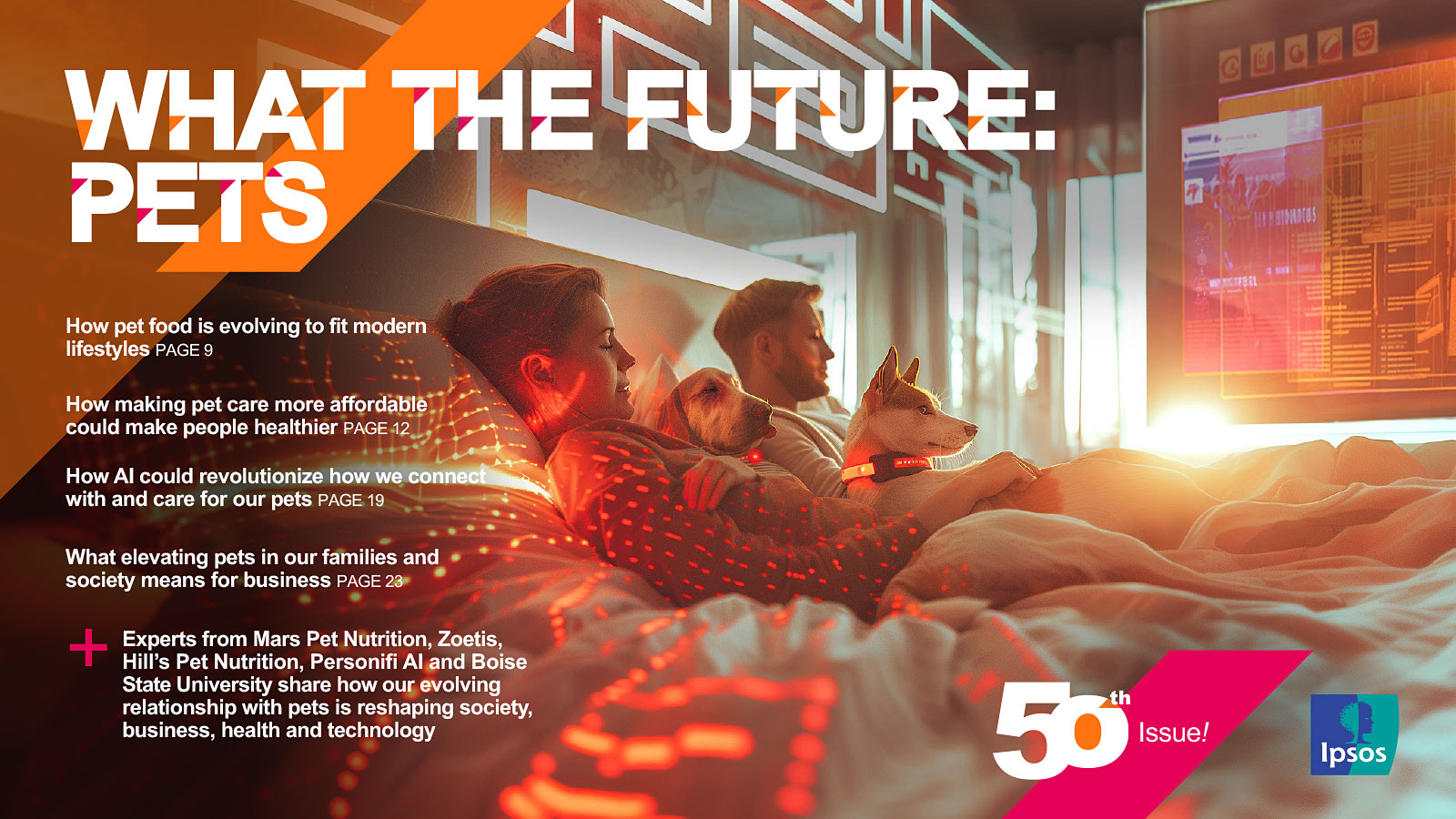
Today, we increasingly regard pets as equal members of our families — and even society. For many people, that means having a fur baby in place of human children. For whatever reasons or lifestyles, this pattern is changing how we live, shop, work and travel. Anthropologist and animal welfare expert Shelly Volsche, who is an affiliate faculty member at Boise State University, explains how pets replacing kids is not just a passing fad but a significant cultural shift with far-reaching future implications for workplaces, restaurants and urban planning.

Kate MacArthur: You wrote a book called “Voluntarily Childfree: Identity and Kinship in the United States” about people having pets as surrogate children. For what reasons do people choose to have pets instead of children?
Shelly Volsche: Some are very personal in the sense that maybe somebody was an only child, or they may have had some sort of trauma they don't want to pass on. There are certainly those who are thinking about environmental consequences of overpopulation. Quite a few participants expressed a preference for pets in their lives.
But there's this parallel life orientation to traditional parenting that is more of a professional and personal fulfillment avenue, and that seems to come along with these major demographic shifts in culture.
MacArthur: What does having pets instead of kids fulfill for people?
Volsche: We have that outlet for nurturing. But a lot of people who choose not to have children still want to have something that they care for, something that they invest in. And that's actually how I define pet parenting: It is the investment of time, emotion and finance that mirrors human parenting.

MacArthur: How will pets fit in families in the future?
Volsche: I don't think we're going to see families stop having pets, but the types of pets they have may shift. Globally, just like we saw with human parenting, you're going to see a reduction in the number of pets so that you can give each of them better lives. As families live in increasingly urban spaces, you'll see a reduction in the size and types of pets. When it comes to families with children, I think that we're going to see a return of some of those smaller, pocket pets.
MacArthur: Do you see tensions emerging between pet parents and non-pet parents?
Volsche: The tension is going to be coming from those who are embracing their pets as part of human society and those who aren’t. Things like whether or not your pet goes to the restaurant. And the same thing with airline travel. From a marketing perspective, what you're going to see is an increase in companies and services who emphasize if they're pet-friendly and really highlight that as a selling point.
MacArthur: Is there a tipping point for how far society will allow pets to be elevated in society with humans?
Volsche: In a lot of ways, we are already making huge adjustments for our pets to be able to be treated like people. And you're seeing the debates about whether or not they should be guardian versus owner. There are pros and cons to any of that. We're seeing it happening in other countries. Finland’s president and his wife lost their dog, and it was a national day of mourning because that was like losing a child in that culture. This is not just a weird U.S. thing anymore, and that is going to make [pet equality proponents] very resistant to pressures against it.
 The tension is going to be coming from those who are embracing their pets as part of human society and those who aren't.”
MacArthur: Are people elevating animals above humans?
Volsche: Yes. And it is not just the U.S. Even pet parenting is rising in China. And if tomorrow somebody dropped a bomb, you're going to see a lot of people grabbing their pets before they go to their neighbor.
MacArthur: How might businesses accommodate for pets in the future?
Volsche: One thing I'm already seeing popping up is the idea of pet bereavement. There's going to be a demand for some sort of “paw paternity” leave, where people are bringing home a new animal. You might see the return in the airlines where you can purchase a seat and have your dog or your cat with you. The market for pet products is going to continue to change. There needs to be a balanced understanding of what individual species need and fulfilling that and marketing that better.
← Read previous | Read next → |