
How brands can synthesize a business from a desired ingredient
Food issue
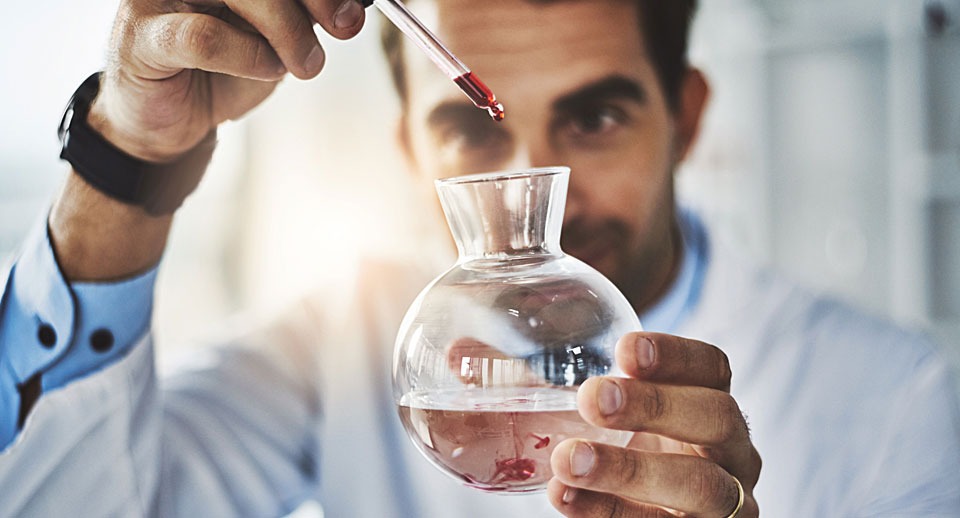
The ability to synthesize ingredients is already reshaping foods and beverages. That can help solve food supply problems but also lead to new innovations. Daniel Solomons, CEO of Update Beverages, is creating a new caffeine-free energy drink around a synthesized component of caffeine, called paraxanthine, to provide all the energy without the jitters or crash. It’s one example of how new technologies can fuel new foods and beverages that can, well, fuel us.
Matt Carmichael: How do you plan to bring the energy drink category into the future?
Daniel Solomons: The market is massive, but there’s been very little innovation to the actual formula of an energy drink since Day One. It’s caffeine plus sugar. This future that we're imagining, it's very strange to think people will still be walking around holding today’s energy drinks. Caffeine is part of the problem; it’s just riddled with side effects. It makes you “crash,” you get the jitters, it makes people anxious, it elevates your heart rate and makes you run to the bathroom.
Carmichael: But people love caffeine and coffee.
Solomons: People are moving away from traditional coffee products to alternatives: yerba mate, matcha, green tea, etcetera. But at the end of the day, you’re still consuming caffeine.
Carmichael: The ingredient you’re working with is paraxanthine. Could you tell us more about that?
Solomons: Paraxanthine is one of three metabolites of caffeine. The literature and studies have shown that paraxanthine is everything you love about caffeine without the side effects.
Carmichael: What’s it like working with something so new?
Solomons: Our partner lab, Ingenious Ingredients, spent eight years working out how to synthesize paraxanthine, and we spent the better part of the last three years formulating this product. It took a long time because no one had used this ingredient. We weren't just doing it for the effect; we wanted it to taste great. It gives you a feeling of clarity, clear focus and really clean energy. The half-life is less than caffeine, so you can drink it later in the day, and your sleep is going to be less affected.
Carmichael: Do you think we’ll see more of this though, where science is able to create an ingredient that we haven't been able to before, and we can start developing products that fit needs that maybe we don't even realize we have?
Solomons: I think if this has taught us anything, it’s that it is possible. If it's happening here the likelihood is there are people elsewhere finding different metabolites or ingredients or compounds to try and create products out of, too. One of my biggest gripes with functional products was the lack of efficacy. People would make claims around ingredients, but a lot of the time clinical studies were typically cited on the individual ingredients, not on the products themselves.
Carmichael: This isn’t just new in terms of the product. Your plan is to market this to the relatively new cryptocurrency and Web3 communities when you launch next month. Why?
Solomons: The builders of Web3 are quickly becoming the taste makers of our generation, and every single industry will eventually have to adapt to the new technologies. We want to be the brand that helps them build. Essentially, we want Update to be to the crypto crowd what Red Bull is to extreme sports.
Carmichael: How will you market to them?
We have a number of different tactics, including building out a digital world, our own metaverse. We’re going to have a podcast where we’re showcasing the builders of Web3 — the engineers, the heads of product, etcetera. We’re going to have different NFT components. We’re building out a loyalty program on the blockchain. The idea is you'll get a membership badge similar to how your coffee rewards points work. The membership badge will be an NFT and can live in your OpenSea account. Within it, there will be different achievements represented through NFTs, and those will open new opportunities for a brand to interact with their community.
Carmichael: How will you back up your claims?
Solomons: We want to take the methodology and rigor of big pharma and apply that to a beverage. We’re looking into conducting our own clinical study on the entirety of the product and not just citing individual ingredient studies. I think you're going to see an increase in that space, because consumers, at least myself, want that.