
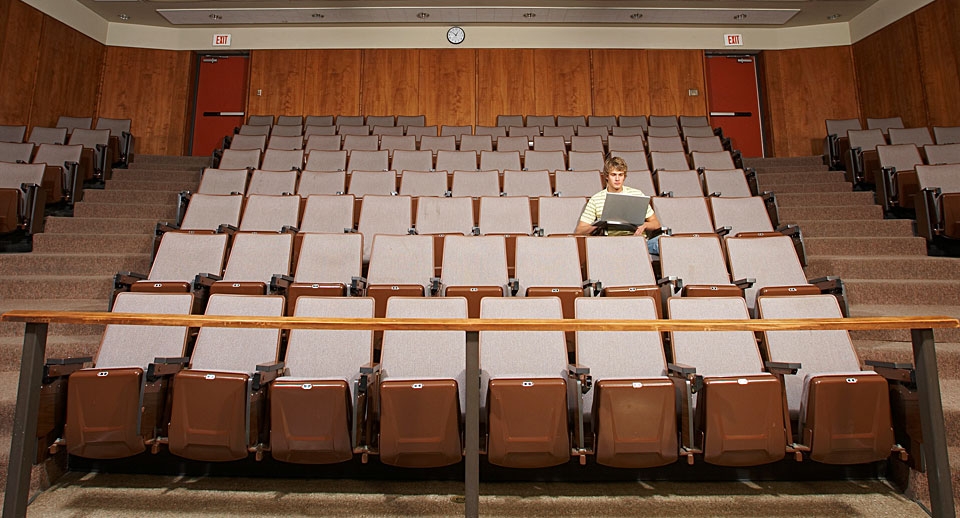
Why higher education remains a key driver of the American Dream
Michael Strain, director of economic policy studies at the American Enterprise Institute, is so bullish on the American Dream that he wrote a book about it called “The American Dream Is Not Dead.” When he’s thinking about the future of the American Dream, he’s looking at policies that could strengthen it and the economy as well. He sees great hope in America’s entrepreneurial spirit and educational system, but also spots some short-term challenges he hopes don’t become long-term problems.

Matt Carmichael: Your book came out around 2020. Have recent events changed or not changed your perception of the American Dream?
Michael Strain: Recent events have strengthened my view that the American Dream is alive and well. One of the most remarkable events of recent decades is the huge surge in entrepreneurship during the pandemic. You didn’t see that in other countries, but you saw it here in America. The response of Americans to this horrible pandemic was to hang a shingle and start a business and see how they could contribute to their communities and the market. That told me a lot about the kind of spirit and character of workers and people throughout the country. And I’ve seen outcomes for typical workers in typical households improve despite these serious obstacles.
Carmichael: Do you think the rest of the country shares your optimism?
Strain: I don’t. But it’s a little hard to know what to make of that. People are not feeling great about the economy. That’s very clear. But are they reacting to the pandemic? Are they reacting to a 20% increase in the price level? Are they reacting to a lot of uncertainty around the trade war? Are they expressing a view about their current economic outcomes as something that’s more durable?
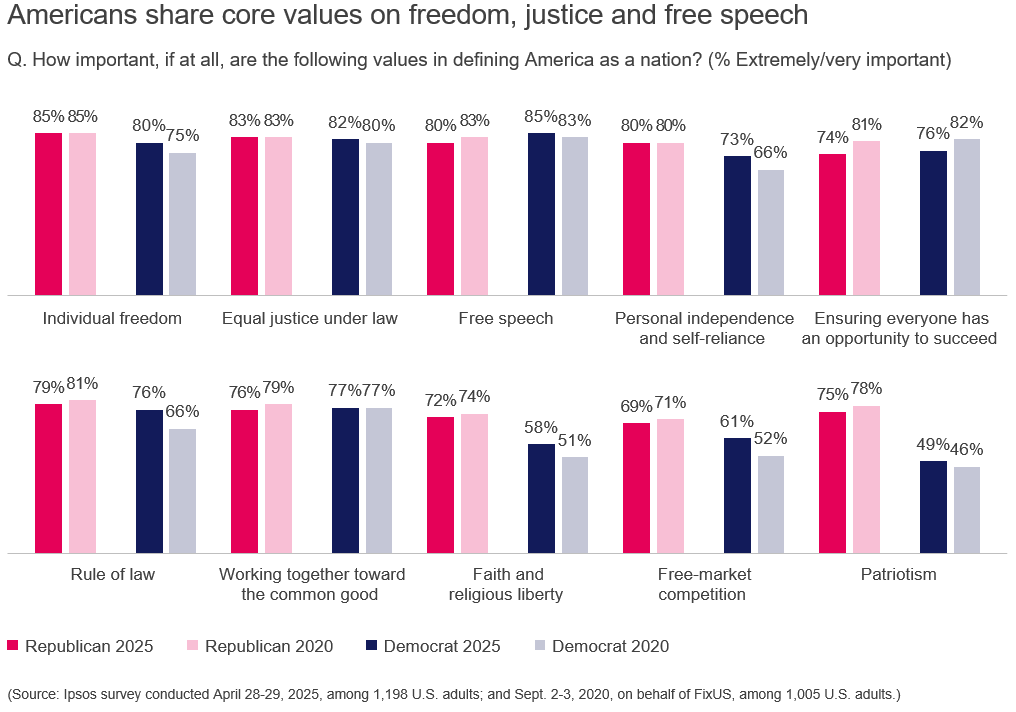
Carmichael: Younger folks are facing economic challenges like student debt, housing affordability, etc. How do you think that’s changing their perception of how attainable all these dreams are?
Strain: It’s a strong argument against the health of the American Dream, not just because homeownership is an important part of the Dream, but also because the underlying drivers for the difficulty of buying a home are obstacles put in place by governments that are exclusionary. Homeownership is both a symptom of a problem with the American Dream and a problem in and of itself with the health of the American Dream.
Carmichael: And student debt?
Strain: Student debt is less of an issue. Because the returns from a college education are still very strong.
Carmichael: How are funding changes we’re seeing to the education system going to change that?
Strain: We’re in for a tumultuous period right now with higher ed, but hopefully that’s a temporary period. Our universities are some of our most important assets and are huge engines of upward mobility that are hugely important to long-term economic growth and prosperity. Universities need to think about why they’re perceived as an enemy of the Republican Party.
 Our universities are some of our most important assets and are huge engines of upward mobility that are hugely important to long-term economic growth and prosperity.”
Carmichael: How can policy drive definitions of the American Dream as much as the American Dream drives policy?
Strain: I suspect that the American people will reject a vision of the American Dream that means your children and grandchildren have the same job as you that involves reductions in material prosperity. Ultimately, political success has to rest on a foundation of policy success. Policies that encourage innovation and scientific discovery, and that both encourage dynamism but also help to deal with the disruptive effects of dynamism, can strengthen the American Dream. Ultimately, it’s the American people who are driving policy about the American Dream.
Carmichael: How important is public perception of economic prosperity and opportunity to creating the reality of the American Dream?
Strain: If you’re a young person and all you’re hearing from the culture, from elected officials and from opinion leaders is that everything is terrible and the game is rigged against you and hard work doesn’t pay off, it’s hard for me to imagine how that doesn’t dim your aspirations and reduce your efforts, and as a consequence, diminish your success.
← Read previous | Read next → |