

How digital platforms will reshape brands’ roles in fan communities
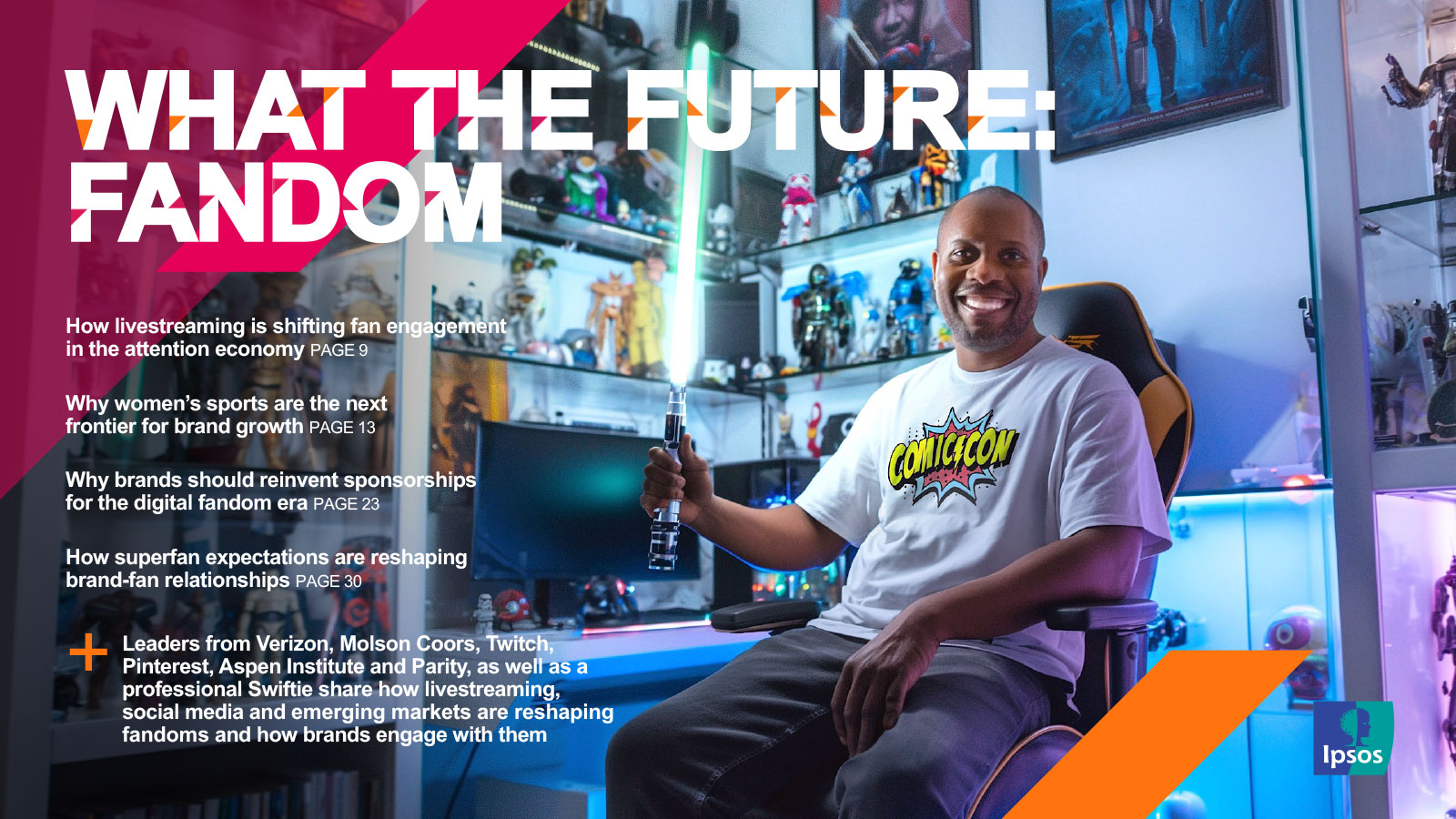
How fans consume content is expanding from bedroom walls adorned with posters and merch to endless scrolling on digital platforms. Nadine Zylstra, global head of programming and originals at Pinterest, envisions a future where brands leverage the platform's blend of individual curation and community trends. She believes fan communities have evolved into powerful digital organisms that are deeply connected and capable of driving significant action.

Kate MacArthur: How does fandom factor into Pinterest?
Nadine Zylstra: What's cool about Pinterest is you can aggregate everything you're interested in in one place, and it's actionable. Fans and fan communities gravitate to the platform because if you're looking for a new outfit for an upcoming concert, you can curate the best inspo in one place. It's cool to watch how fans use the platform to drive things they're actioning in their lives.
MacArthur: How do you see the role of platforms in fandom evolving in the future?
Zylstra: What's exciting about where fanship communities have evolved is they're so connected digitally they're an organism in themselves. We're connecting people globally and helping them bring their fandom into their real life.
MacArthur: What role do brands play with fandom in platform communities?
Zylstra: When brands are authentically listening to the community and meeting them with content or products or actionable things to bring that friendship into their life, that's when it really works. People plan a lot on Pinterest. We'd been tracking “Barbie” for two years before the movie came out because people were already passionate about that community.

MacArthur: How are platforms adapting to fan communities?
Zylstra: There’s the fan originator layer and the community layer. We’ve noticed many K-pop bands using the platform for a new release or product coming out. What’s interesting to me are the ways the fan community also uses the platform to make stories that happen outside of campaign cycles. The House of the Dragon fan community has 30,000 Pins on a board that just hangs on that person’s expression of fanship, even though we are not necessarily in the press cycle.
MacArthur: How does this shape fan engagement?
Zylstra: Commerce plays a very vibrant role in connecting the actual fan and the person who the fan’s inspired by. If you want to express your K-pop fandom by getting a light saber from the concert, you can. It’s not just about being a passive recipient of inspiration, but taking action in a way that’s very attainable.
MacArthur: How can brands participate?
Zylstra: It goes back to that core question of authenticity. If a brand has enough self-awareness and intention around the fanship they’re interested in, they can meet that fanship with an authentic expression. It does require really listening and coming to the community with something that’s genuinely helpful.
 It really does matter that people feel they’ve been seen by the platform. And if we can use AI to help make it a better platform for you, that’s amazing.”
MacArthur: How can brands measure fandom impact?
Zylstra: It’s different for every platform but on Pinterest, the commerce piece helps make that connection. If we’ve built enough excitement from a fan community that they want to do something and that is measured very clearly in whether they purchase or show purchase intent, that's a helpful way to measure ROI.
MacArthur: How do you see human versus AI curation evolving?
Zylstra: Human curation is at the heart of Pinterest. Our platform is built on humans curating what they’re passionate about. AI is still a fraction of the impressions on our platform. The way I’m most excited about AI is in serving the audience more completely. For example, when you search hair inspiration, you can choose your hair type, powered by AI. We use these tools to better meet the Pinner with the most successful experience that we can give them. We launched a new body type range search last year. People who used the body type range search had a 66% higher engagement rate per session on Pinterest than those who hadn’t used the tool. It really does matter that people feel they've been seen by the platform. And if we can use AI to help make it a better platform for you, that’s amazing.
← Read previous | Read next → |