
How AI can (maybe?) make parenting roles more equal
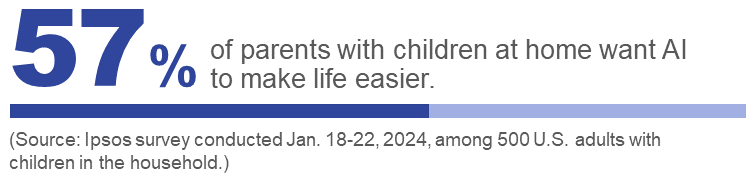
Parenting is a complicated set of logistics, finance, procurement, education, entertainment and more logistics. It is ripe for simplification. More often than not, moms bear more of that burden. Avni Patel Thompson is parent to 9- and 11-year-old daughters. She’s leading a company backed by OpenAI and Y Combinator called Milo, which aims to be your one-stop AI assistant and co-pilot for managing your parenting life. She hopes it can ease the “invisible load” moms bear and make it easier for families to coordinate.
Matt Carmichael: What is different about parenting vs. general busy adulting?
Avni Patel Thompson: Parenting looks more like specialized knowledge akin to medicine or architecture or law. We need to think about the invisible dependencies.
Carmichael: What can a tool like Milo solve for busy parents?
Patel Thompson: The invisible load, which for me and my husband would feel like we have another someone in our family unit whose sole responsibility is scanning all these different things and staying on top of [them] as a parent would. But the question is what needs to be done with that? What is that logic? What is the intuition and understanding of the parenting experience?
Carmichael: What is “the invisible load”?
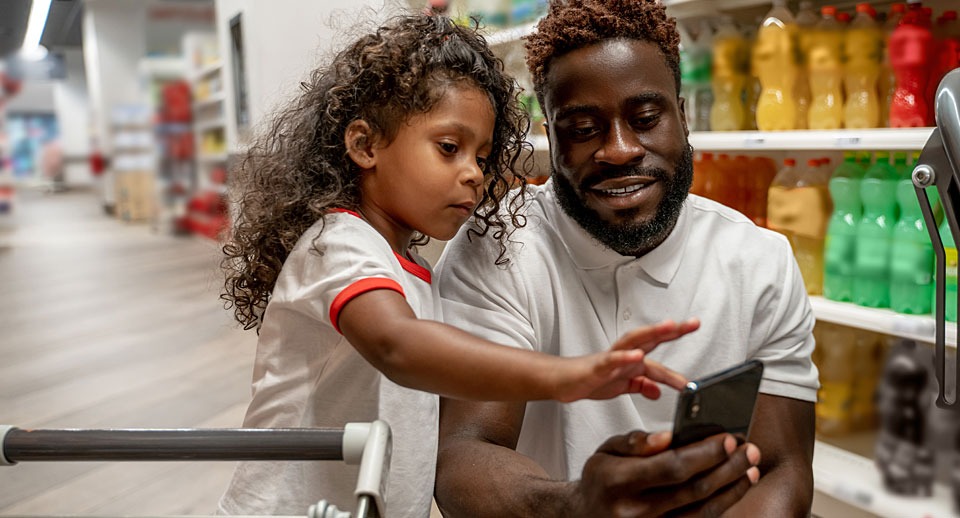
Patel Thompson: In my family, I carry the greatest weight in terms of meals. I have to figure out what are the dinners for next week? What are the lunches? If AI can help me figure out what the meals are, then what's the grocery list that needs to come out of it? Then actually having someone go to the grocery store and get those things. It is absolutely a task that takes up time.
Carmichael: Do you think the invisible load is generally shared equally?
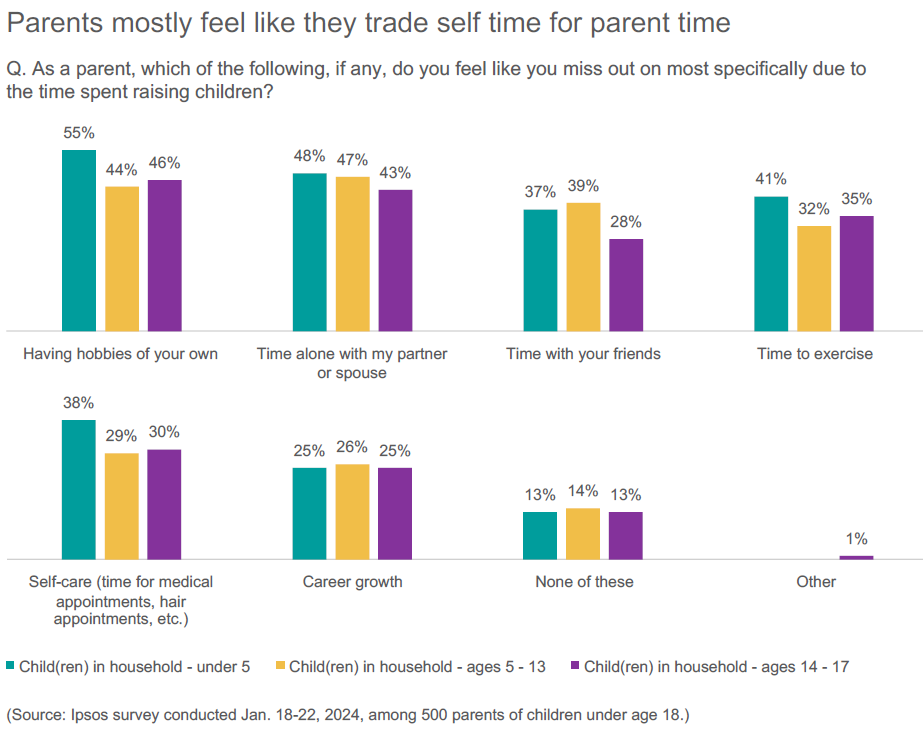
Patel Thompson: Generally speaking, women's brains are being used as the computers to run all these things: holding the information, reminding people and anticipating all this stuff. We can build that tool with the logic and the database and it’s something that everyone can equally access.
Carmichael: What does a solution look like?
Patel Thompson: When I'm talking to parents, it turns into half a therapy session. I'm not surprised anymore because we have no other choice. We don't have good tools for collaboration. I don't have a good way to tell my husband what the meal plan is for next week because I hold it in my head. If he wants to help on groceries, there's no other place for this conversation to end up other than one of frustration because if you want to do grocery shopping, you have to take on the rest of the things. It is absolutely a task that takes up time. There are lots of different ways to purchase a banana. You could use Instacart, you could send someone to the store. But there aren't nearly enough ways to help on the upstream part of thinking through all those other pieces. We are singularly focused on how to create one place that everyone can access that isn't my brain, my inbox.
“Parenting looks more like specialized knowledge akin to medicine or architecture or law. We need to think about the invisible dependencies.”
Carmichael: How can AI personalize dividing labor?
Patel Thompson: We think about parent intuition and Milo getting better and better about how it understand a problem like school lunches with more nuance. It's important to understand geographic or cultural differences. Lunches might be done differently in this part of the country or this part of the world. From a parent standpoint, we all care the same way, and we all have picky eaters in the same way, but how that shows up in our part of the world and our culture is different.
Carmichael: We’ll still need actual parents, right?
Patel Thompson: We’re seeing the results of a lot of software and technology making our lives feel increasingly efficient and productive. But also devoid of the good friction that makes us human. There's a lot of human interactions that we have stripped out of the system. I love the fact that I have the option to go on Amazon and have toothpaste arrive on my door tonight. I love the option of having DoorDash come to my door when the kids are hungry, and I don't have time. But I also want to live in a world where our technology enables us to have all this stuff run in the background but then also allows me to go be more human with my people. I'm trying to figure out what's the balance and what's our role in enabling some of that.
| ← Read previous Why brands should support modern parents against old biases | Read next → |