
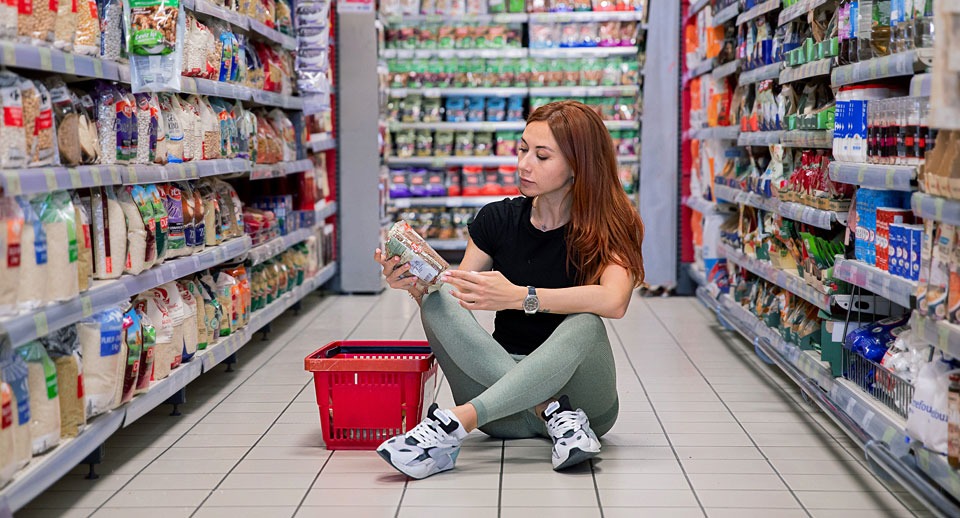
How new obesity medications could transform the grocery landscape
Weight-loss medications like GLP-1s have demonstrated unprecedented success in suppressing users’ appetites.
But new research from Ipsos confirms that these medications also affect users’ choice of foods. This could reorient their grocery shopping and spending preferences — which would have a considerable impact on CPG brands and retailers’ bottom lines.
Despite the buzz, usage of anti-obesity drugs is currently limited. It remains to be seen whether these treatments will become mainstream, or how fast that change could come.
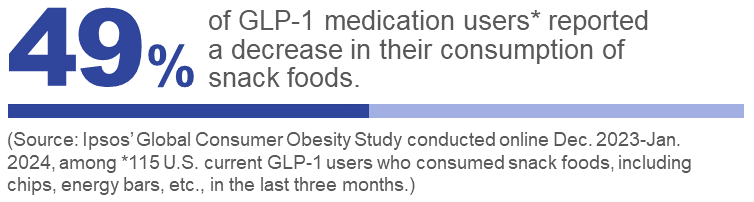
But according to a syndicated Ipsos study of users’ consumption behavior, weight-loss drugs may already be driving increases in certain purchase categories and drops in others. In a future with widespread adoption, some brands could experience newfound brand benefits or roles, while others would need to adapt and innovate for new preferences — or manage diminished demand.
These complexities raise the need for attentive consumer research and fast-moving product development to ensure that retail offerings remain in step with Americans’ shifting needs.
| ← Read previous What anti-obesity drugs could shift in how we think about weight | Read next → |