
Why food companies must act together to reshape America’s food landscape
Marion Nestle is one of America’s most influential authorities on nutrition and health. At 88, the professor of nutrition, food studies and public health, emerita, at New York University continues to influence food policy discourse through her daily blog FoodPolitics.com and her upcoming 17th book, “What To Eat Now.” In it, she builds on her seminal 2006 work “What To Eat” and explores two decades of dramatic changes in the food industry. When she thinks of the future, Nestle (pronounced nes-ul) has bold ideas to reshape the future of food and health.
Kate MacArthur: What’s the biggest change in how Americans think about and shop for food since your book “What To Eat” originally came out 20 years ago?
Marion Nestle: It's possible now to eat healthfully in any supermarket in America.
MacArthur: What’s changed in this book from your original “What to Eat” book?
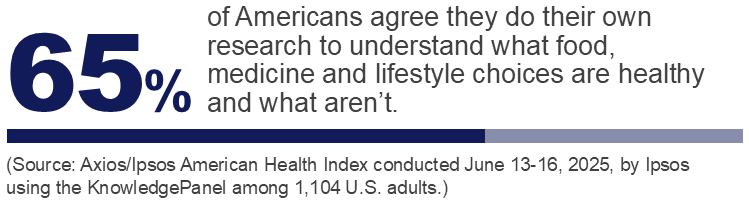
Nestle: One is online shopping. That's a completely new thing. Supermarkets have been completely reorganized to allow for shoppers who are collecting things to put in packages either to pick up or to be home delivered. The focus on water rather than sugar-sweetened beverages, the plant-based foods, and the question of ultra-processed foods are new concepts that have come up since 2006. America's buying habits and the GLP-1 anti-obesity drugs are having a noticeable effect on supermarkets already.
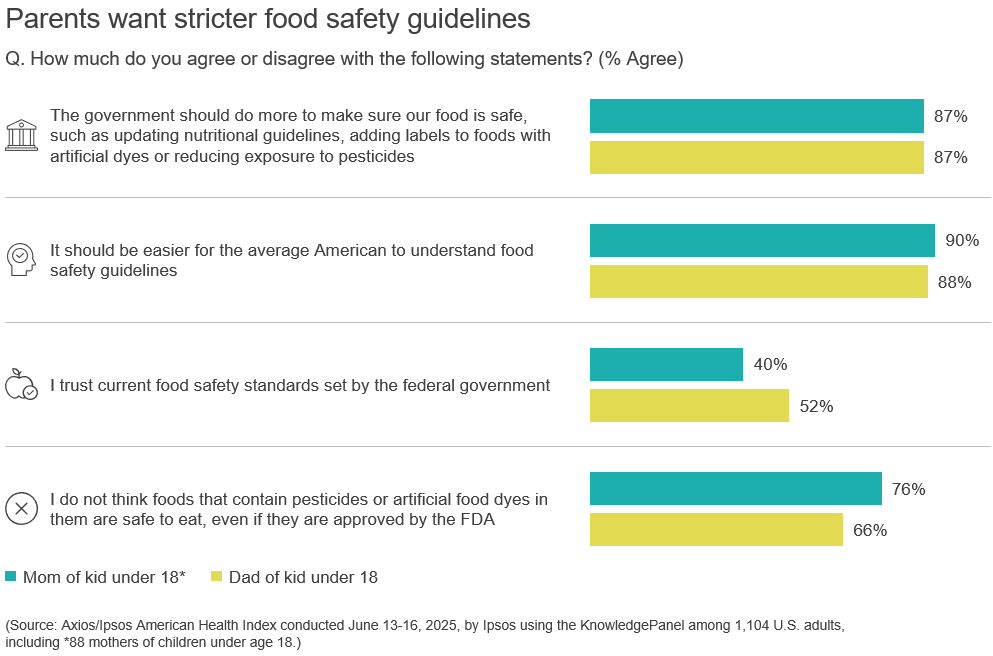
MacArthur: Our research shows that consumers want stricter food regulation, including on artificial food dyes. What do you think of that?
Nestle: I agree with all of that, except the government has perfectly adequate food safety standards. What it doesn't do is enforce them adequately.
MacArthur: What are your top food rules today?
Nestle: I'll quote Michael Pollan because I think his seven-word formulation is brilliant: “Eat food, not too much, mostly plants.” By food, he means minimally processed or unprocessed foods. Make sure you've got plenty of plant foods in your diet: fruits, vegetables, whole grains, beans, plants, etc. And avoid eating too much ultra-processed food.
MacArthur: With rising food costs, some brands are reducing package sizes. Why is that a good thing?
Nestle: People eat what’s in front of them, and if you're given a small portion of food, you'll eat a small portion. If you're given an enormous portion of food, you'll eat a lot more, even if you don't finish it. If you want to reduce your weight, you have to reduce your caloric intake. That's what the GLP-1 drugs do effectively. The reason people lose weight on them is because they're not eating as much. Once you're used to being served a large amount of food at any one time, having a small portion of food presented to you, you feel like you're being cheated. So we have to reverse perceptions in a way that's very complicated.
 We don't have a system in this country that incentivizes healthy eating. I think we need one.”
MacArthur: How do we get there?
Nestle: Part of it is through regulation and we'll see what the Make America Healthy Again movement is doing. We have to reverse people’s expectations of what’s normal. And to do that, everybody has to do it. You can’t ask one company to do it and not have everybody else do it too, because then it puts that company at an unfair disadvantage. That's why regulation is important, because regulation creates a level playing field.
MacArthur: How do we get the consumer interested in healthier food in general?
Nestle: If I were in charge, I would change the food environment to encourage healthier eating by making fruits and vegetables less expensive relatively, and by having lots of information available about how to use fruits and vegetables by making them taste better. Teaching kids how to cook is a very good thing to do, having gardens in schools, I'm all for it.
MacArthur: How could food industry leaders and public health advocates find common ground?
Nestle: Companies like Patagonia are way ahead of everybody else on trying to produce food that's healthy and sustainable. But food companies are up against a very specific problem. We don't have a system in this country that incentivizes healthy eating. I think we need one.
← Read previous | Read next → |