
How platforms can boost social authenticity and engagement
Creators have a lot of choice when it comes to the platforms they create on. The platforms all have their strengths. When Snap’s Alex Dao thinks about the future of creativity, he’s thinking about all the different kinds of content creators can create, the channels they’ll post it on and the metrics they’ll use to gauge its success. There’s one metric he thinks is underrated: happiness. Here’s how he’s focused on bringing that to audiences, creators and brands alike.
Matt Carmichael: Your recent campaign focused on “Less social, more Snapchat.” What does that look like in practice?
Alex Dao: We're seeing a shift in culture, especially among Gen Z and Millennials. There’s a frustration toward the typical norms of social media. They're seeing a lot of divisive content. They're seeing toxic content. They're seeing competition and comparison. So, what we're seeing is the need for the opposite. More and more folks want to find more meaningful connections. They're looking for authenticity. They're looking for a place where they don't feel the typical societal pressures of social media.
Carmichael: People spend a lot of time on social apps, but also multitask on them. Does that change how brands reach their audiences?
Dao: Snapchatters care about passion points like sports, music and entertainment. One of the most common use cases that we see is they're watching a live game, but when a big moment in that game happens, they're having conversations with their friends. The way that brands have integrated is by creating experiences that enhance the sports content. We've done things with NFL teams where you could try on the helmets or the jerseys. It's super interactive, and the attention that these brands are getting from using AR in a very playful, interactive way has been really strong.
Carmichael: Snapchat is quite participatory. Audiences can remix, they can engage. So what does that mean for the brands that operate there?
Dao: People come to Snap to connect with their friends and family, but they stay for the content. That content could be the AR content where they’re seeing brands participate. Or it could be our short form video, so more brands start to post to there to build their organic following.
Carmichael: What’s the creator experience like?
Dao: If you think about the way that creators create content on other platforms, it takes a lot of time. It needs to be the perfect photo, the perfect video, with all this editing. On Snapchat, it's completely different. We want the behind the scenes, posting your day-to-day moments, people getting ready, people posting about their stress, their frustrations.
That builds a level of trust within the community because people are being honest. It's not this perfect capture of what life looks like. It's everything in between. For brands, that's their opportunity to be a part of that. Brands can speak with our community and not at our community and in a very authentic way that talks about the rawness and the realness of life.
“Optimizing toward happiness and not just pure growth numbers and engagement metrics and likes is the future because people care about connections and happiness.”
Carmichael: A lot of social content gets cross-posted to various platforms. How does that work into the creator workflow?
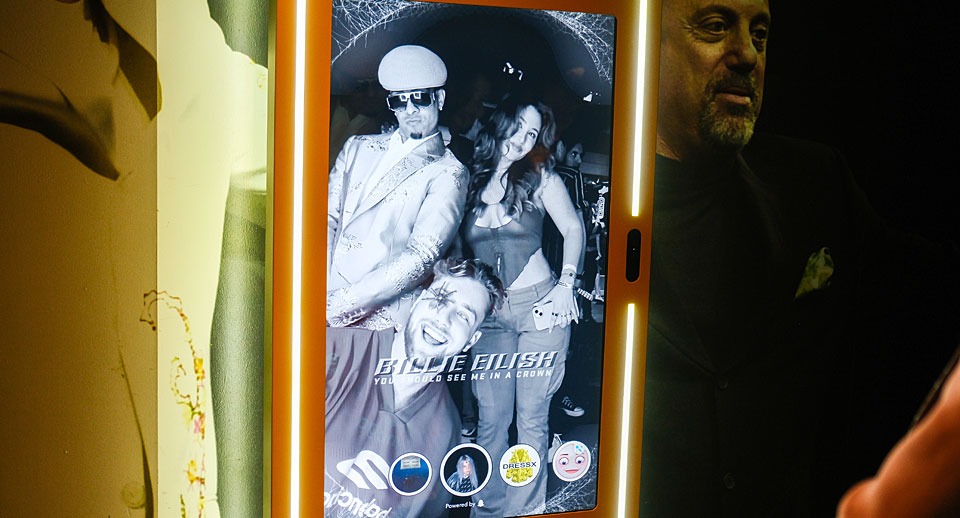
Dao: On other platforms creators post their finished product. That will still land on Snap, but you’ll also see the behind the scenes of how they get to the finished product. We recently announced a partnership with Live Nation that gives a behind-the-scenes, front-row pass to live music events and festivals. We worked on a Billie Eilish listening party. We had hundreds of creators come. The creators posted as they were getting ready, as they were attending the pre-party. So you get content around what's happening leading up the event, and the finished product is the event itself.
Carmichael: Brands historically “owned” their mascots or spokespeople. Now they work with influencers. How do brands own that relationship?
Dao: If you're a brand and you're picking the wrong creator for the demographic that you're going after, there’s going to be a disconnect. Or if you're trying to work with a creator who isn't a big fan of your brand, the community will understand that. Beyond that, optimizing toward happiness and not just pure growth numbers and engagement metrics and likes is the future because people care about connections and happiness.
| ← Read previous What creators and marketers should know about mixed attitudes on AI art | Read next → |