

How automakers can shift gears for tomorrow’s cities
You can see America’s car culture just by looking at how most of its cities are designed. When people stopped commuting en masse to cities for work during the COVID-19 pandemic, it gave people a different view of how cities could look if we relied less on automobiles for getting around. At the same time, automakers like General Motors are working toward an electric future that offers a new role for them as energy providers. This is the focus for Hoss Hassani, who leads GM’s energy organization as vice president of Charging & Energy.
Kate MacArthur: How does the future of work influence the future of transportation?
Hoss Hassani: I don’t think we’ve landed on what post-pandemic work life is. But in commuting, the fact that there’s so much happening in multimodality across the world in how people travel, whether it’s commuting to work or just traveling, period — the prevalence of e-scooters and e-bikes, the clear emergence of autonomous driving, both the lower-level autonomy like driver assistance systems, like our incredible Super Cruise — there is a complete transformation of what that in-vehicle experience is, regardless of what your origin point or destination point is.
MacArthur: How does the tension between in-office and remote work shape that future?
Hassani: Let’s think about it in the context of what’s happening in the auto industry and transportation in general as we pursue lower-carbon solutions. General Motors is envisioning this world of zero crashes, zero congestion and zero emissions, three things that are very consequential to this future of commuting and transportation. Imagining a future state where there are no accidents, where traffic is moving so seamlessly that there is no congested traffic, there’s no rush hour anymore, things are just moving and flowing as they should. GM is taking an ecosystem-based approach to that future.
MacArthur: What does this mean for cities?
Hassani: Everybody’s been talking about electric vehicles for the last 10 years. What we’re starting to uncover is how electric vehicles plug into an economy. What I mean is with the bidirectional charging capability that we’re unlocking at the end of this year with Ultium Home [vehicle-to-home system] and how a vehicle can support a facility. That starts to create some incentives, where you want to have electric vehicles parked and plugged in to provide resiliency not just to a facility, but to a grid utility.
“It’s the transformation of walkable cities creating no-car zones. These things can coexist with a flourishing and thriving auto industry, particularly an auto industry that has electrification at the center of its approach.”
MacArthur: How would that affect the energy grid?
Hassani: When people ask that question, “How can the grid support all these electric vehicles,” we flip this paradigm by saying, “How can all these electric vehicles support the grid?”
MacArthur: How would that work?
Hassani: If we’ve now integrated that energy in that vehicle into the grid, PG&E doesn’t need to have a brownout or blackout. We have plenty of electricity generation in the country. It’s about the distribution. And when you have EVs that are everywhere, at workplaces, at shopping destinations, at hotels, at rural areas and so forth, you’re now talking about a very real benefit to EVs that has nothing to do with transportation.
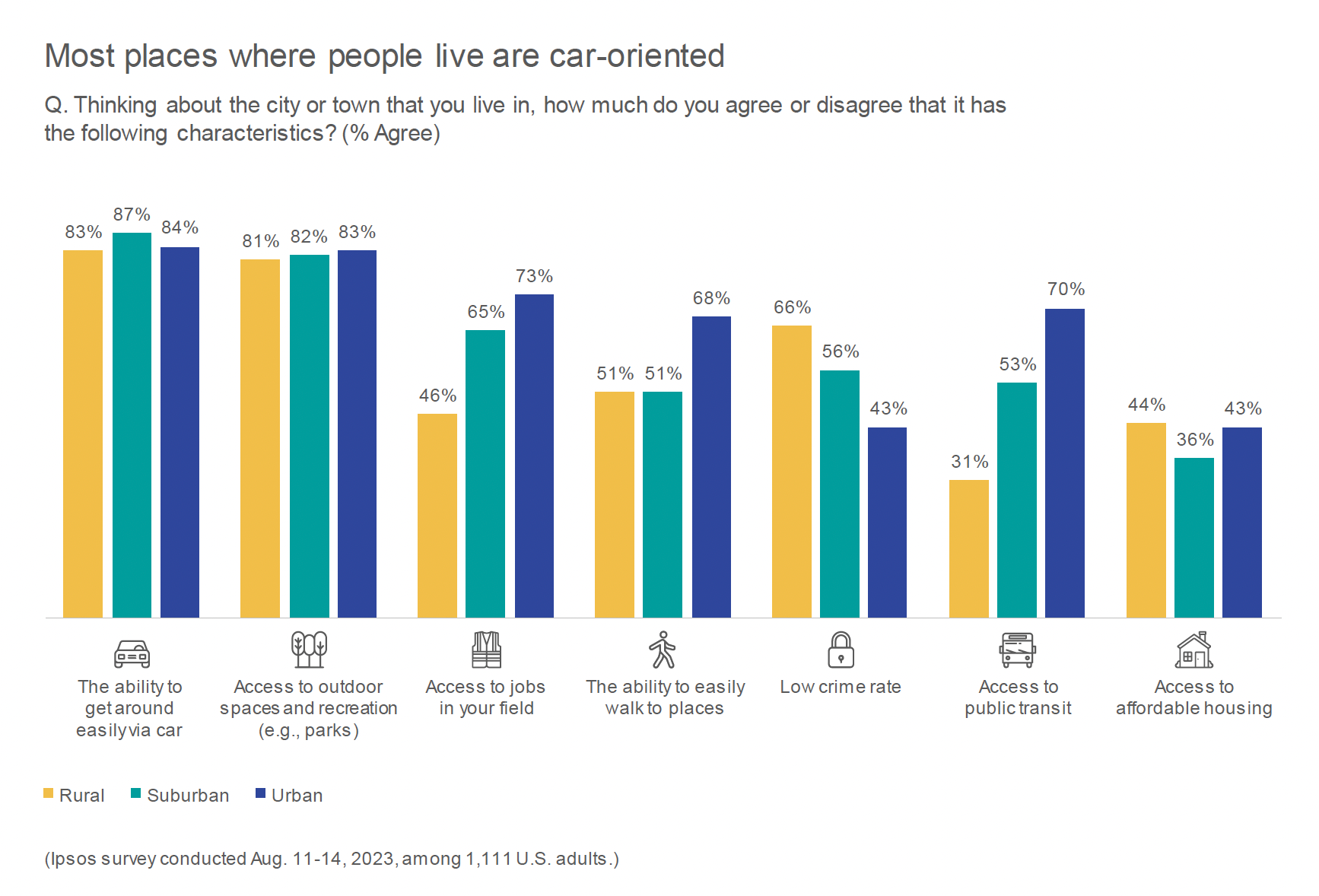
MacArthur: Urban planners promote walkable cities or 15-minute cities and our data shows that we have a car society. What changes if we cut the amount of driving?
Hassani: It’s the transformation of walkable cities creating no-car zones. These things can coexist with a flourishing and thriving auto industry, particularly an auto industry that has electrification at the center of its approach.
MacArthur: How so?
Hassani: Because whether you’re going on a road trip or whether you’re doing whatever you need to do, that necessitates having a car. You also have this benefit of this vehicle plugging into the grid. So utilities and states are going be very motivated to have people driving electric vehicles because it’s a solution to the problems plaguing the grid in the United States.
MacArthur: How does the math and the model for financing infrastructure change when it’s not based on miles driven and gas taxes?
Hassani: One of the challenges we’re facing with EV infrastructure buildout is that there hasn’t been a shift in the framework. It still feels very status quo in how money is dispersed and how and when infrastructure can be built out and utility upgrades can be planned. We’re working with utility partners and utilities and companies that support utilities to have them help them think differently about how they should be planning for electrification. This coming together of private industry, public industries, utilities, and so forth is itself going to lead to some new innovations in how all of it gets financed and paid for and supported, while at the same time ensuring customers are always getting maximum value out of a vehicle that they’re purchasing or a service that they’re purchasing from us.
|
← Read previous |
Read next → |
For further reading
Could a summer of extreme weather affect EV acceptance?