

Why AI shouldn’t be used as a shortcut for craftsmanship
What happens if you want to pivot from one creative profession to another? Author Cheryl Lu-Lien Tan is the first George R. R. Martin Chair in Storytelling at Northwestern University’s Medill School, named after the “Game of Thrones” author. Martin was a journalism student there and wants to help journalists (like Tan herself) become authors (also like Tan). When she thinks about the future of creativity, she’s thinking of how new voices will get heard, and how the craft of writing must persist in an AI age.
Matt Carmichael: So the program you teach is about transitioning from one form of creativity to another?
Cheryl Lu-Lien Tan: Yes, there's no program quite like it anywhere. There are workshops for journalists to become better journalists. There are workshops for creative writers who want to be better creative writers, but there's no real workshop that bridges the two.
Carmichael: How do bridges like this work?
Tan: I was talking to a novelist who was a food writer. He said that journalism school prepared him better for writing novels than his MFA did. Novels only come alive when the world feels real. When a character walks into a room or a cafe or a restaurant, you have to feel like you're there with them. The way to bring that out is the details. As journalists we're supposed to be masters at observing things. The best fiction is well-reported fiction.
Carmichael: Specifically, journalism is a tough profession these days. Does becoming a novelist give someone any better shot at earning a living?
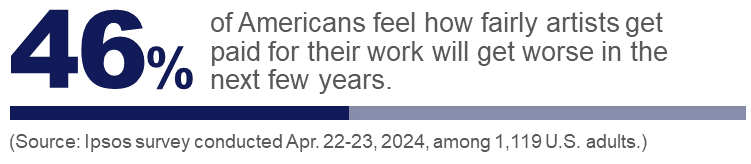
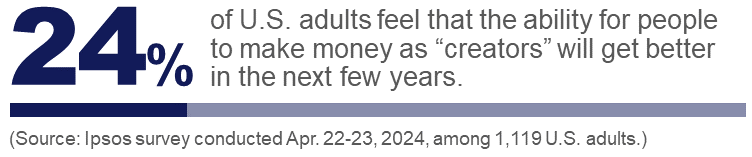
Tan: Book publishing is an industry in great turmoil. I worry that this means publishers are going to be less willing to take risks on books that are daring or that sound different. If you're not an established name already, it can be difficult to get a large enough advance to pay your bills while you write your book.
Carmichael: So what should would-be writers do?
Tan: My philosophy is if you want to write books, do it. But do it because you love it, not because you think it's going to make you instantly rich. Some authors don't hit it big enough to live off their books until their fourth or fifth book, but you'll never get there if you quit after the first one.
Carmichael: How are you using or not using AI tools in the classroom?
Tan: I tell my students, if you want to learn, then you should learn. You should do the work. If you’re going to write a novel, you have to write the outline, you have to develop the characters or you’re not going to understand what you're doing. I don't think cutting corners is a good idea. You don't live the creative process if you don’t put every stone down yourself. I don’t use AI at all. I want to tell my own stories and I want to tell them exactly the way I want to tell them.
Carmichael: So how hopeful are you about the future of creativity?
Tan: Despite my fears for the future, we’re actually in a time when you are hearing different voices bubbling up still. My hope is that a good story is a good story, and it will find its way into the world no matter what.
| ← Read previous How AI will help tomorrow’s creators push artistic boundaries | Read next → |