The Spring Statement explained
Checking the pulse of the nation
-
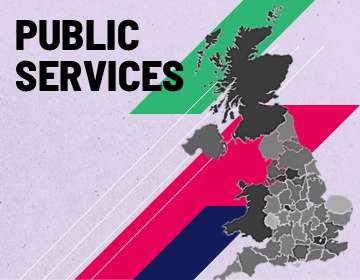
Putting the Place into Public Services
Ipsos’ latest Understanding Society report draws on 8 MRP models to reveal widespread discontent – and geographical inequalities - across key areas like the NHS, housing, crime, and jobs. It shows entrenched dissatisfaction with public services as three quarters of people say they have got worse over the last 5 years.
Click here -

Boost for Starmer after performance on world stage
Starmer sees a boost in his ratings with 29% of Britons now holding a favourable view, albeit only up from the low bar of 21% last month. These figures come as he increasingly focuses on international affairs. However, the public still think his government is doing poorly at home. Most think the Labour government is doing a bad job on the cost of living (61%), immigration (55%) and managing the economy (52%).
Click here -
Reaction to Chancellor's Spring Statement
The Spring Statement has left almost three in five (57%) feeling more concerned than reassured about Britain’s economy, with the majority saying the same about their own financial circumstances (50%) and Britain’s public services (55%) following Wednesday's announcements.
Click here

Public reaction to the Spring Statement explained
By Cameron Garrett, Associate Director, Ipsos in the UK, for LabourList.
No Chancellor wants to be compared to Kwasi Kwarteng's short-lived time at the Treasury. But unfortunately, that’s increasingly the position Rachel Reeves finds herself in.
Ipsos’ snap-polling conducted immediately after last week’s Spring Statement shows half the public (51%) think Rachel Reeves is doing a bad job as Chancellor. Concerningly for her, this is up 7-percentage points from last month. Even worse, this is now just short of the verdict they delivered to Kwarteng after his infamous “mini-Budget” when he registered a 53% disapproval rating.
The public's reaction shows she's failed in her newly found mission to inspire optimism. Three in five (57%) say the Statement has left them more concerned about Britain’s economy than reassured. This is 12-percentage points higher than the proportion who said the same after her first Budget last October.
It's a classic polling story as most of her spending announcements are popular when asked about individually (though welfare cuts divide the public), but collectively voters fear the overall package. Over half are in favour of spending more to build affordable homes, train more construction workers and increase defence spending next year. Besides boosted military spending, however, many of these polices haven’t cut through, with more people saying they haven’t heard of them than have.
A partial silver lining for the "securonomics" Chancellor is that her difficult welfare savings meant protecting her “fiscal headroom”. Unfortunately, this buffer was wiped out by President Trump within hours of her being at the dispatch box, with his announcement of 25% tariffs on UK car manufacturers (and potentially more to come this week).
Unless a trade deal is secured between the UK and USA, then Reeves is already back at square one and looking for more difficult savings ahead of her Autumn Budget. This will only make it harder for Labour to try and change the prevailing pessimistic narrative around the economy.
However, initial reactions to Statements like this aren't the final say and delivery will be far more important. Labour need to focus on convincing voters that issues like the cost of living, immigration, NHS and public services are getting better.
Want more in-depth insights from Ipsos' UK public affairs experts?
- ‘The public doesn’t think welfare works': Keiran Pedley writes for LabourList, taking a deep dive look at Ipsos polling on Britain's spiralling welfare costs and the benefits system.
- The Ipsos Spring Statement Briefing: We hosted a briefing webinar ahead of the Spring Statement, with Lucy Fisher, Whitehall Editor at The Financial Time and Ipsos' own Gideon Skinner, who explored public perceptions on the state of the economy, taxation and public services. Access the slides and reflections on the webinar here.
- Rise of Reform in Scotland: Emily Gray, Managing Director of Ipsos' Scotland office, writes for The Herald on the rise of Reform in Scotland and our latest polling on the Scottish public's favourability towards politicians.
- More from Scotland: Emily has been busy this month, also writing a new Undertanding Society article, focusing on Scots' attitudes towards the quality of public services in their local area and the role devolution plays in public service delivery.